
Ask how much it costs to bid on government contracts and most people expect a scary number. The honest answer is anticlimactic: in cash, usually nothing. Registering on SAM.gov is free. State vendor portals are free. Searching, downloading solicitations, and submitting your bid are free. The government does not charge admission. But that answer is also incomplete, because bidding absolutely has a cost, it just arrives as hours rather than invoices, and that is the cost that quietly decides whether government work is profitable for you. This guide breaks down what is genuinely free, what costs money only in specific situations, and how to calculate the real price of a bid so you can tell a good investment from an expensive habit.
The short answer: entry is free
Let us dispose of the myth first. There is no fee to compete for government work.
- SAM.gov registration is free and mandatory for federal contracts. It takes two to four weeks to process, but it costs nothing.
- State vendor portals are free, essentially everywhere. Our guide to registering across state portals covers the process; the price is your afternoon, not your wallet.
- Searching and downloading solicitations is free, on SAM.gov and on the free bid sites that cover state and local work.
- Submitting a bid is free. No entry fee, no ticket price.
- SBA certifications are free to apply for through the SBA.
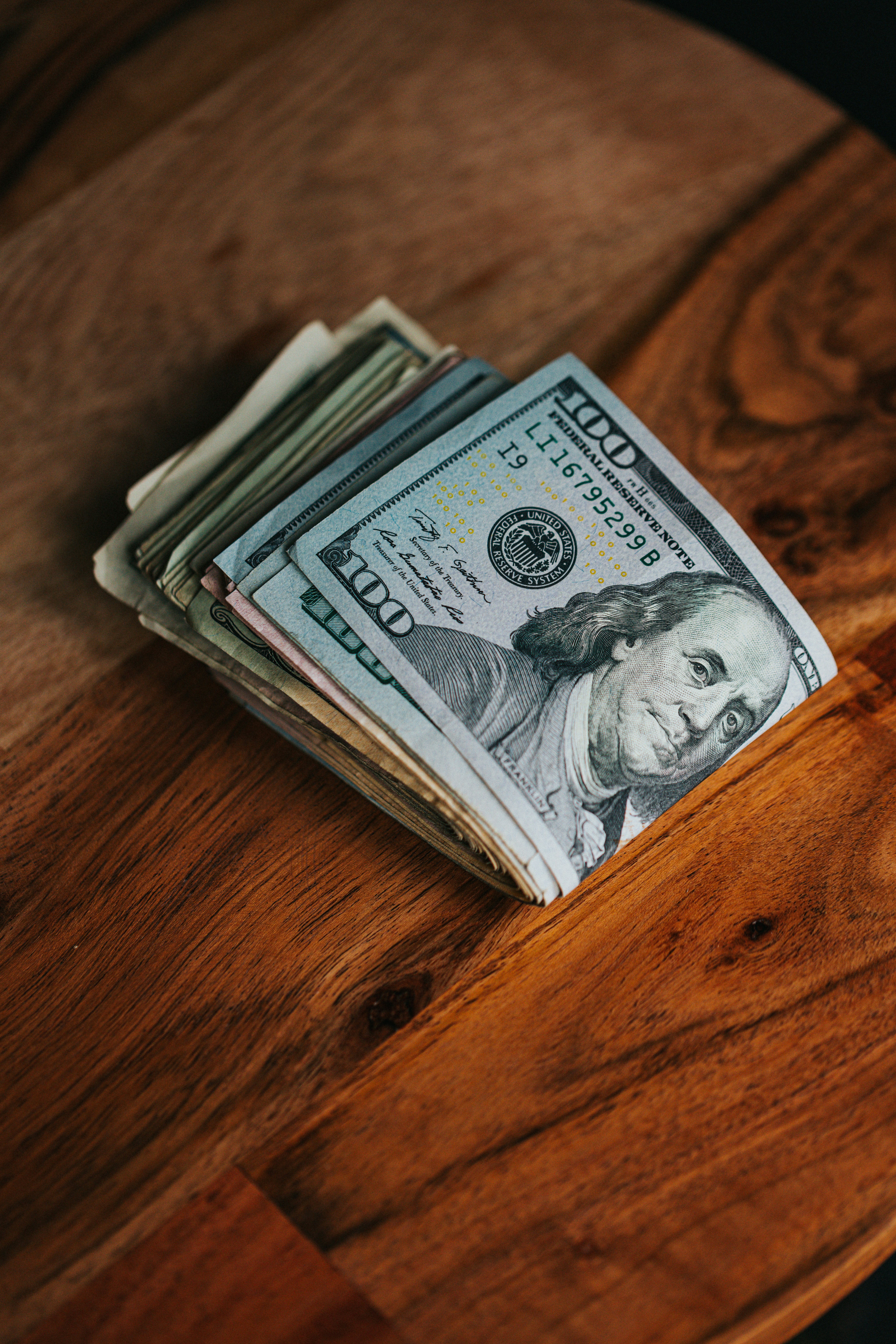
If anyone charges you a fee simply to access government bids or to register you as a vendor, understand exactly what you are buying: convenience, not access. That is a legitimate product, but it is never a requirement.
Pro Tip: A “registration service” charging hundreds of dollars to complete your SAM.gov profile is selling you a free government form. Pay for proposal help if you want it; do not pay for access that costs nothing.
What actually costs money (sometimes)
A handful of real expenses show up depending on the work, not on the act of bidding.
Surety bonds. Construction and some service contracts require bid, performance, or payment bonds. Premiums vary by surety, your credit, and contract size, and plenty of smaller contracts require none at all. If bonding capacity is your barrier, the SBA’s Surety Bond Guarantee program exists specifically to help small businesses qualify: it charges no fee for bid bond guarantees, and 0.6% of the contract price for performance and payment bond guarantees.
Insurance to spec. Agencies often require general liability, workers’ compensation, or auto coverage at stated limits. If you already carry it, the marginal cost is zero; if the spec exceeds your coverage, you pay the difference.
Licenses and registrations. Trade licenses, state business registrations, and similar are ordinary business costs, not bidding costs, though a contract may force you to get current.
Optional tools. Bid-tracking software is exactly that: optional. We compared the landscape from free to five figures, and the honest summary is that the postings are public; tools sell aggregation and alerts.

The real cost: hours
Here is the number nobody puts on a website, because it is different for every firm: the hours.
Reading a 200-page solicitation. Understanding the requirement. Writing the technical approach. Assembling past performance. Pricing the work. Checking compliance line by line. Submitting correctly and on time. That is the actual expense, and it is invisible because it never generates an invoice, it just consumes the week.
The formula that matters:
hours spent × your loaded hourly rate = what that bid cost you
Run that honestly and the picture changes. A proposal that consumed 30 hours of a $100/hour owner’s time cost $3,000, whether or not a single dollar left the bank account. Two of those a month is $72,000 a year of capacity. Suddenly “free to bid” looks different, and correctly so.
This is exactly why a late no-bid is the most expensive event in government contracting, and why we argue so hard for a fast bid/no-bid triage. The cash cost of a bad bid is zero. The real cost is a week you cannot get back.
Where the money actually goes
| Category | Cash cost | Notes |
|---|---|---|
| Registration (SAM.gov, state portals) | $0 | Free, but SAM takes 2 to 4 weeks |
| Finding and downloading solicitations | $0 | Public postings; tools are optional |
| Submitting a bid | $0 | No entry fee, ever |
| SBA certifications | $0 | Free to apply |
| Surety bonds | Varies | Many small contracts need none; SBA guarantee fee 0.6% (perf./payment), $0 (bid bonds) |
| Insurance to spec | $0 to some | Zero if you already carry the required limits |
| Your proposal hours | The real bill | Hours × loaded rate, every single time |
How do you make the math work?
If the cost is hours, then profitability is a function of two things: how many hours each bid consumes, and how often you win. You control both.
- Track proposal hours. For three months, log the hours per bid. Most small firms have never measured this and are shocked by the total.
- Triage before you write. A 20-minute bid/no-bid gate kills the doomed bids on day one instead of day three. This is the single biggest lever.
- Reuse relentlessly. Your capability statement, past-performance write-ups, and standard technical language should be assembled once and reused. The second proposal should cost half the hours of the first.
- Bid where you can win. Research who won the last one and at what price. Bidding into a wired requirement is the most expensive kind of free.
- Start small. Micro-purchases and local work take fewer hours to bid and build the past performance that makes later bids more winnable.
- Calculate your break-even. Hours per bid × rate, divided by your win rate, tells you the cost per win. Compare that against the margin on a typical contract. If it does not clear, the problem is your selectivity, not the market.
Pro Tip: Cost per win, not cost per bid, is the number to manage. Ten cheap bids you lose cost more than three expensive bids you win.
Key takeaways
| Point | Details |
|---|---|
| Cash cost of entry is zero | Registration, portals, searching, and submitting are all free |
| Never pay for access | Fees buy convenience; access to public postings is always free |
| Bonds and insurance are situational | Many small contracts need neither; SBA guarantees bid bonds at no fee |
| Hours are the real cost | hours × loaded rate = the true price of every bid |
| Manage cost per win | Selectivity and reuse beat volume every time |
Why we price the way we do
We will be direct about our own stake here. RFPHawk exists to reduce the hours side of that equation: one filtered feed instead of a dozen portal checks, scored to your profile so you read the bids you might win instead of the ones you never will. That is a time product, not an access product, and we price it accordingly at $20 a month, or $16 billed annually, with a free tier and no credit card to start. You can browse the live feed right now without an account and judge the time savings for yourself. If the hours we save you are worth less than that, do not buy it, because the bids themselves will always be free.
— The RFPHawk Team
Frequently asked questions
How much does it cost to bid on a government contract?
In cash, usually nothing. SAM.gov registration, state vendor portals, searching, downloading solicitations, and submitting a bid are all free. The real cost is your time: the hours spent reading the solicitation, writing the proposal, and pricing the work.
Do you have to pay to register for government contracts?
No. SAM.gov registration is free, and nearly every state vendor portal is free to register on. If a service charges you to register, you are paying them for convenience, not for access. The government does not charge for entry.
How much does a bid bond cost?
Bid bond premiums vary by surety, your credit, and contract size, and many small contracts require no bond at all. The SBA’s Surety Bond Guarantee program charges no fee for bid bond guarantees, and 0.6% of the contract price for performance and payment bond guarantees.
Are proposal costs tax deductible or billable?
Bid and proposal costs are generally treated as allowable and allocable business expenses when reasonable, which matters most for contractors with cost-reimbursable work. For a small business, the practical point is simpler: proposal hours are a real operating cost, so track them.
Is bidding on government contracts worth the cost?
It depends entirely on your win rate and margin, not on cash outlay, because the outlay is near zero. Track your proposal hours, multiply by your loaded rate, and compare against expected margin. Bidding selectively is what makes the math work.
Recommended
- How to Read an RFP Fast — the triage gate that protects your hours
- How to Win Your First Government Contract — start where the hours pay off soonest
- Best Free Government Bid Sites — the $0 discovery baseline
Put RFPHawk to work on your pipeline.
Federal SAM.gov plus a growing list of state portals, refreshed daily and scored against your profile so you see the bids worth pursuing first.
Start free — no credit card